
Assisted living communities are increasingly using less energy, wasting less food, conserving water, and creating healthier indoor spaces. These practices are not only environmental choices; they can also affect comfort, operating costs, emergency preparedness, and daily quality of life for residents.
What does an eco-friendly assisted living community do?
An eco-friendly assisted living community reduces unnecessary use of energy, water, materials, and fuel while maintaining safe, dependable care. The goal is not simply to add recycling bins or install new equipment. Effective sustainability programs connect building operations with resident routines, dining, transportation, landscaping, and health needs.
Common practices may include:
- Energy-efficient lighting, heating, cooling, and appliances
- Better insulation and weather sealing
- Water-saving fixtures and leak detection
- Food-waste reduction and composting where practical
- Recycling and careful purchasing
- Native or low-maintenance landscaping
- Indoor air-quality monitoring and improved ventilation
- Emergency plans that account for power outages and severe weather
A well-designed program should be visible in daily operations without making residents feel that comfort or services are being reduced.
How can energy efficiency improve resident comfort?
Energy efficiency can support more consistent indoor temperatures, fewer drafts, and better control of heating and cooling. In a community with older adults, stable indoor conditions matter because some residents are more sensitive to cold, heat, and rapid temperature changes.
Helpful building features may include high-efficiency heating systems, programmable controls, insulated windows, LED lighting, and equipment that automatically powers down when not needed. Motion sensors can reduce energy use in storage areas, restrooms, and hallways while keeping frequently used spaces adequately lit.
Efficiency should not mean dim lighting or uncomfortable rooms. Hallways, stairways, bathrooms, entrances, and gathering areas need appropriate illumination for visibility and fall prevention. Any lighting adjustment should be evaluated alongside resident safety.
Seasonal conditions in Mount Pocono can make building performance especially noticeable. Cold winters increase heating demands, while summer humidity can affect comfort and indoor air quality. Weather sealing, routine equipment maintenance, and backup plans for outages are practical environmental and safety measures.
Does sustainable dining benefit residents?
Yes. Sustainable dining can reduce waste while supporting nutritious, familiar meals. Dining practices may include smaller default portions with additional servings available, flexible meal counts, careful inventory management, and use of seasonal ingredients when they meet dietary and budget requirements.
Food waste may come from overproduction, unused ingredients, large portions, or meals that do not match resident preferences. Communities can learn more by tracking what is returned uneaten and asking residents about preferred foods, textures, temperatures, and portion sizes.
Sustainability should never override medical nutrition needs. Residents may require modified textures, special diets, additional calories, reduced sodium, or other dietary accommodations. A responsible dining program treats nutrition, dignity, choice, and environmental goals as connected priorities.
Some communities separate food scraps for composting, while others focus first on reducing overproduction. Safe food handling remains essential. Food recovery or donation programs must follow applicable safety requirements and should never compromise resident health.
What role does water conservation play?
Water-efficient fixtures can lower waste without changing basic routines. Low-flow faucets, showerheads, dual-flush toilets, automatic shutoff systems, and prompt leak repairs are common examples.
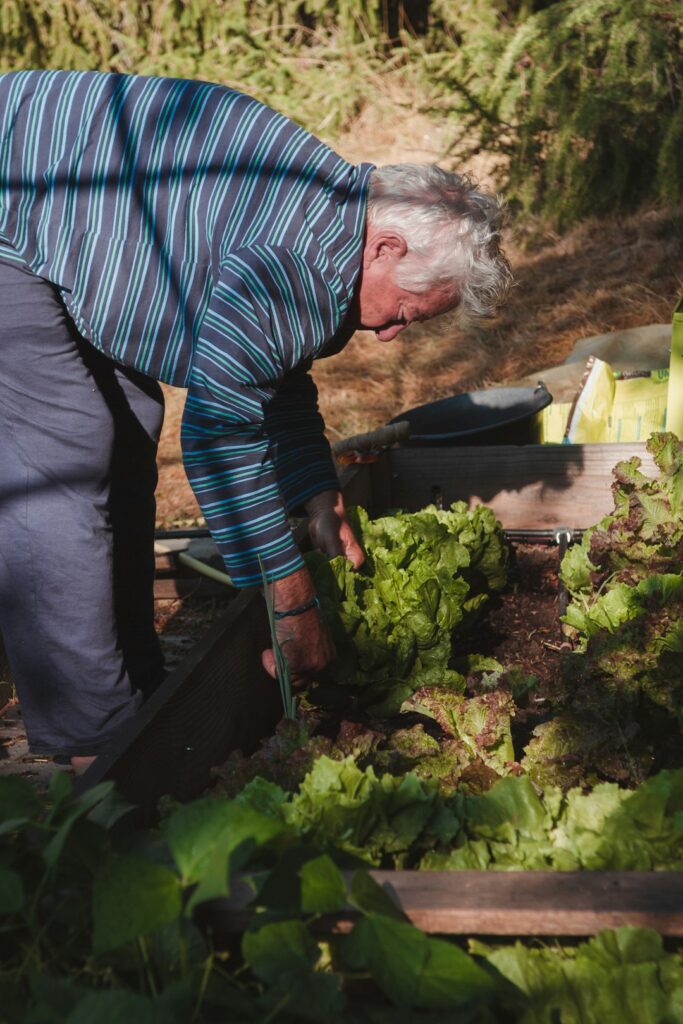
Water conservation also applies outdoors. Landscaping can use drought-tolerant plants, mulch, rain gardens, or irrigation systems that operate only when needed. In a residential care setting, outdoor areas must still remain attractive, accessible, and safe for residents who walk, use mobility devices, or participate in gardening activities.
A dripping faucet or running toilet may appear minor, but repeated leaks can waste substantial amounts of water and increase maintenance problems. Residents who notice unusual moisture, plumbing sounds, or damaged ceilings should report them through the community’s established maintenance process.
Are recycling and waste programs easy for residents to use?
They can be, but only when sorting instructions are clear and accessible. Residents may encounter separate containers for paper, containers, trash, batteries, electronics, medication packaging, or confidential documents. Confusing labels can lead to contamination, which may cause recyclable materials to be discarded.
Useful waste programs generally provide:
- Large, readable labels with words and pictures
- Containers placed near the point of use
- Staff guidance for items that cannot go into ordinary recycling
- Safe handling procedures for sharps, chemicals, batteries, and medical waste
- Clear communication when local collection rules change

Not every item labeled recyclable is accepted by every collection system. Packaging decisions should therefore consider what can realistically be processed, not only what carries a recycling symbol.
Reducing unnecessary disposable items can also help. Examples include durable dishware, refillable dispensers, digital documents where appropriate, and purchasing supplies in sizes that limit excess packaging.
Can landscaping support health and environmental goals?
Outdoor design can do more than improve appearance. Accessible gardens, shaded seating, walking paths, and protected gathering areas may encourage movement, social interaction, and time outdoors.
Environmentally responsible landscaping may use plants suited to local seasonal conditions, reduce excessive lawn areas, limit unnecessary irrigation, and provide shade near buildings. Native or well-adapted plants can also support birds and pollinators, although plant selection should consider allergies, maintenance, pests, and resident safety.
Paths should remain level, well-drained, and free of trip hazards. Shade structures, benches, handrails, and lighting can make outdoor spaces more usable for residents with limited endurance or balance concerns.
How does indoor air quality fit into sustainability?
Indoor air quality is a central part of healthy building design. Efficient buildings must still have adequate ventilation and moisture control. Poor ventilation, excess humidity, dust, smoke, cleaning residues, or hidden water damage can create discomfort and may aggravate respiratory conditions.
Practical measures include regular filter replacement, ventilation system maintenance, prompt attention to leaks, appropriate cleaning procedures, and controls that prevent excessive humidity. During wildfire smoke, extreme weather, or other outdoor air events, communities may need temporary changes to ventilation and outdoor activities.
Low-emission paints, flooring, adhesives, and furnishings can reduce odors and chemical exposure during renovations. Construction work should also be separated from occupied areas whenever possible, with dust and noise managed carefully.
What should families ask about environmental practices?
Families comparing assisted living options can ask specific, practical questions rather than relying on broad claims about being “green.” Useful questions include:
- How are heating and cooling systems maintained?
- What happens during a winter power outage?
- How are food waste and recycling handled?
- Are outdoor walking areas accessible in different seasons?
- How are indoor air quality and moisture problems monitored?
- Does the dining program track resident preferences and uneaten food?
- Are sustainability changes reviewed for fall prevention, infection control, and comfort?
The answers can reveal whether environmental practices are part of routine operations or limited to occasional projects. The strongest programs usually explain both their environmental goals and the safeguards used to protect resident care.
Eco-friendly assisted living is ultimately practical stewardship: using resources carefully while preserving comfort, dignity, accessibility, and reliable support. For residents and families in Mount Pocono, understanding these details can make it easier to evaluate how a community’s buildings and daily routines support healthy living through every season.
