
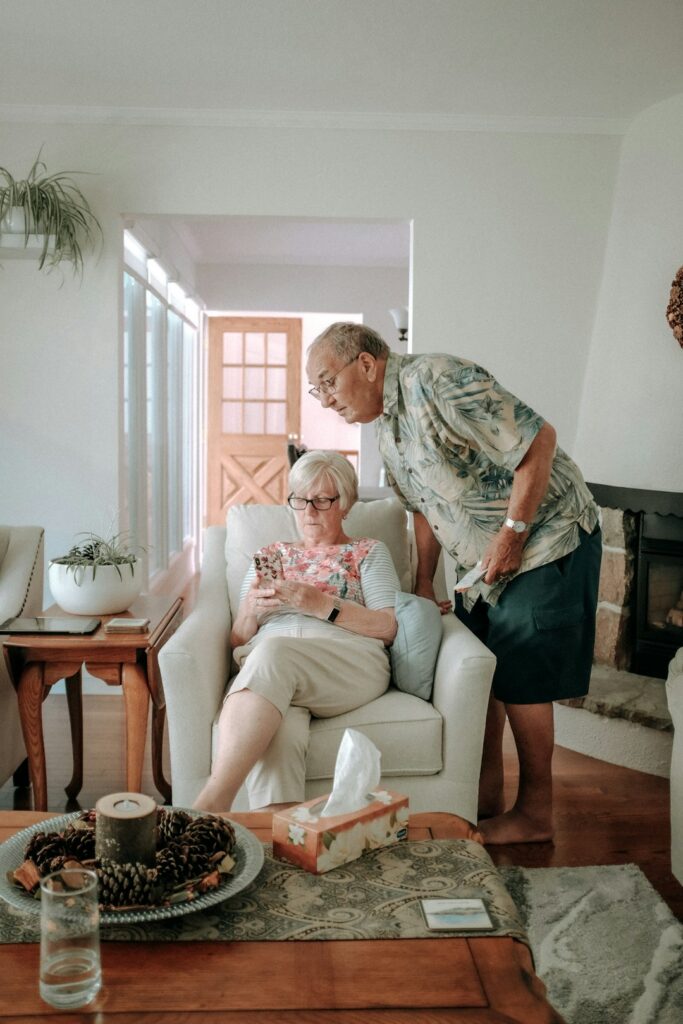
Assisted living should support a person’s daily preferences, routines, values, and sense of independence—not replace them. For residents in Mount Pocono, PA, this may include choices about meals, sleep schedules, activities, clothing, visitors, privacy, transportation, and how much help is accepted.
A move to assisted living changes the setting of daily life, but it does not have to erase personal habits. The most supportive arrangements begin with a clear understanding of who the resident is and what matters to that person.
How does assisted living support individual preferences?
Assisted living supports individual preferences by building daily care around the resident’s abilities, routines, interests, and goals. Staff may assist with personal care, medications, meals, mobility, or housekeeping while allowing the resident to make as many decisions as possible.
A preference-based approach recognizes that two people with similar care needs may want very different lifestyles. One resident may prefer early mornings and quiet meals. Another may sleep late, enjoy group activities, and want regular visits from family members.
Individual preferences may include:
- Preferred waking and bedtime routines
- Favorite foods, portion sizes, and dining times
- Clothing choices and grooming habits
- Religious, cultural, or personal traditions
- Preferred activities and hobbies
- Amount of social interaction
- Personal space and privacy
- Communication style and decision-making involvement
- Preferred level of assistance with daily tasks
These details should be discussed before move-in and revisited as needs change.
What choices can residents usually make each day?
Residents commonly continue making decisions about ordinary parts of daily life, even when they receive regular assistance. The exact options vary by residence and care needs, but a typical day may include choices about:
- When to get up and go to bed
- Whether to eat in a shared dining area or another approved setting
- Which activities to attend
- Whether to spend time alone or with others
- What clothing to wear
- How to arrange personal belongings
- When to receive visitors
- Whether to participate in outings
- How to spend free time
Assistance with bathing, dressing, walking, or medication management does not automatically remove the right to make personal choices. Staff can provide support while still explaining options and allowing the resident to decide whenever safety permits.
A resident who needs help getting dressed may still choose the outfit. Someone who needs medication reminders may still ask questions about the medication routine. A person who no longer cooks independently may still express preferences about familiar foods and meal timing.
How are care plans connected to personal preferences?
A care plan should describe more than medical conditions or physical limitations. It should also explain how the resident prefers to live and how staff can provide assistance respectfully.
Useful care-plan information may include:
- The resident’s normal schedule
- Preferred names and forms of address
- Foods that are enjoyed or avoided
- Comfort with male or female caregivers, when feasible
- Signs of stress, fatigue, pain, or confusion
- Favorite activities and conversation topics
- Important cultural, spiritual, or family traditions
- Preferred ways to receive reminders
- Personal goals, such as walking to meals or attending an activity
Care plans should not be treated as permanent documents. A resident’s abilities, health, mood, and interests may change. For example, a person who once enjoyed large social gatherings may later prefer smaller groups or quieter activities.
Family members can help by sharing useful history, but the resident’s current wishes should remain central whenever the resident can express them.
Can residents keep their routines after moving?
Many routines can continue, although they may need practical adjustments. Maintaining familiar habits can make the transition less disruptive and help a resident feel more at home.
A resident might continue:
- Reading the newspaper with morning coffee
- Listening to a favorite type of music
- Watching a regular evening program
- Calling family members at a familiar time
- Practicing religious or spiritual traditions
- Completing puzzles, crafts, or other hobbies
- Taking a short walk when weather and safety allow
- Keeping meaningful photographs or household objects nearby
Seasonal weather can affect routines in Mount Pocono. Snow, ice, cold temperatures, and shorter winter daylight may limit outdoor walks or community outings during certain periods. Indoor alternatives, safe walking areas, and flexible activity schedules can help residents maintain movement and social connection without unnecessary exposure to hazardous conditions.
The goal is not to preserve every routine exactly as it was. The goal is to preserve the meaning behind the routine whenever possible.
How can assisted living respect privacy and independence?
Privacy and independence are supported through choices about personal space, information sharing, visitors, and assistance. Residents may want help with some tasks while handling other activities on their own.
Respectful support includes:
- Knocking before entering a private room
- Explaining what assistance will be provided
- Asking permission before beginning personal care
- Allowing extra time for the resident to respond
- Avoiding unnecessary discussion of private health information
- Letting residents keep personal belongings arranged in familiar ways
- Offering choices instead of giving commands

Independence does not mean doing everything without help. It means remaining involved in decisions and retaining control over reasonable parts of daily life.
Safety may limit certain choices. For example, a resident with significant fall risk may need assistance on stairs or outdoors during icy conditions. Even then, staff should explain the concern, discuss safer alternatives, and avoid treating the resident as incapable of making all decisions.
What if a resident’s preferences conflict with safety?
A disagreement about safety should lead to a conversation, not an automatic dismissal of the resident’s wishes. Staff and family members can explore why the preference matters and whether the risk can be reduced.
For example, if a resident wants to walk outside during cold weather, possible adjustments may include:
- Choosing a warmer part of the day
- Wearing appropriate layers and footwear
- Using mobility equipment correctly
- Walking with assistance
- Selecting an indoor route when surfaces are icy
- Rescheduling the activity during severe weather
The same principle applies to food choices, medication routines, personal care, and community outings. Restrictions should be based on actual risks and care requirements rather than convenience alone.
Residents and families should ask how preferences are handled when needs change, who participates in decisions, and how concerns can be documented and reviewed.
How can families help preserve personal preferences?
Families can provide information that may not be obvious from a medical record. A short written profile can help staff understand the resident as a whole person.
Helpful details may include:
- Typical sleep and meal patterns
- Long-standing habits
- Foods associated with comfort or family traditions
- Important holidays or observances
- Preferred conversation topics
- Previous hobbies and skills
- Behaviors that may indicate discomfort
- Strategies that help the resident feel calm
- People the resident trusts for decision-making support
Family members should also listen to the resident’s current preferences rather than assuming old habits always remain unchanged. Regular conversations can reveal new interests, concerns, or priorities.
What questions should residents ask before choosing assisted living?
Residents and families should ask how personal preferences are documented and honored in ordinary situations. Useful questions include:
- How are daily routines recorded?
- Can residents choose meal times or dining locations?
- How are activity preferences learned?
- What happens if a resident prefers quiet time?
- How are cultural, religious, or dietary practices accommodated?
- How are changes in preferences communicated to staff?
- What choices can residents make about visitors and personal space?
- How are safety concerns discussed?
- How can a resident or family member raise a concern?
The answers can reveal whether individual choice is part of everyday care or only mentioned during the initial assessment. A supportive environment makes room for personal decisions in small, consistent ways throughout the day.
